 Visit AUM
 Apply at AUM
 Contact


AUM Continues Teacher Training with a Focus on Innovation
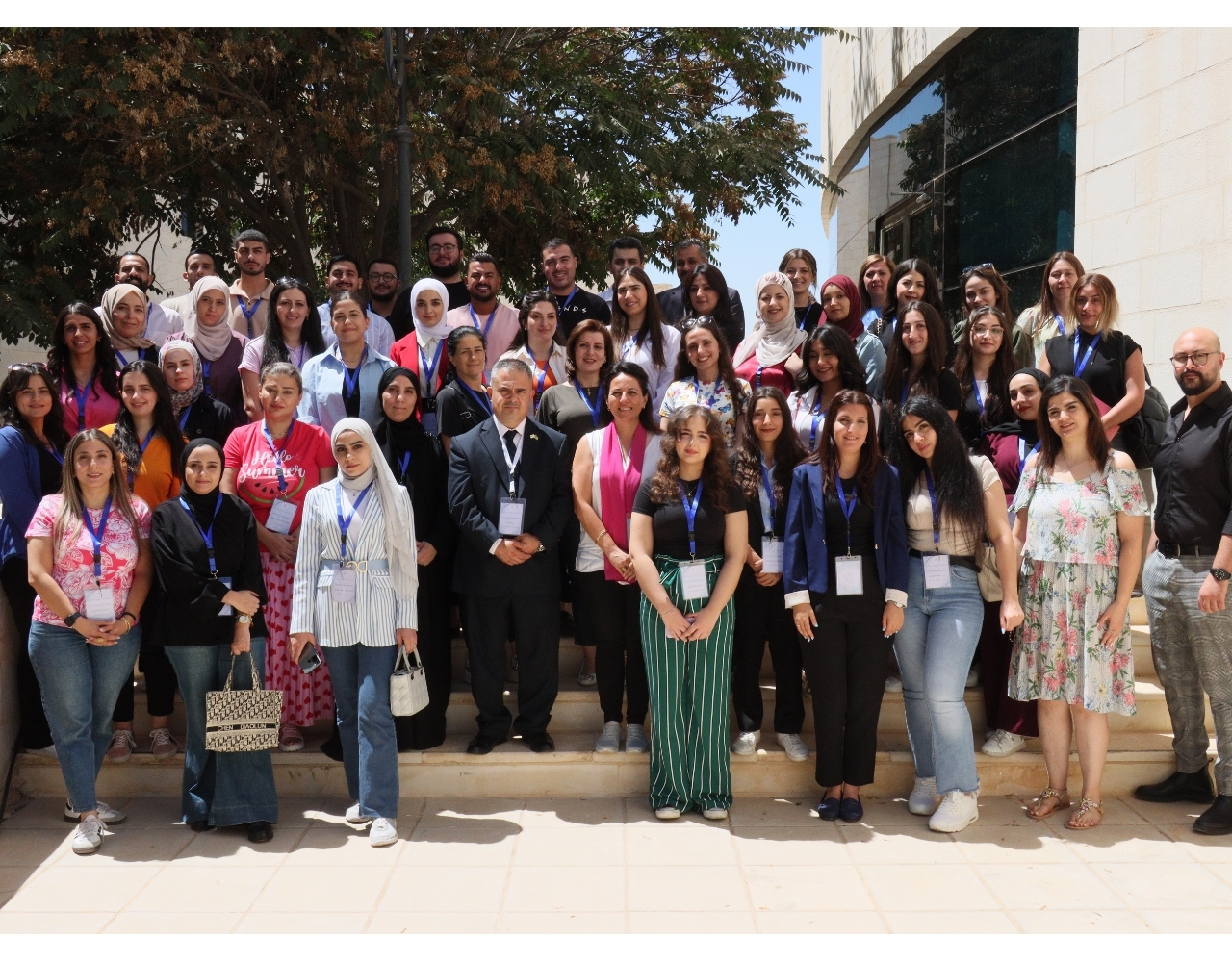
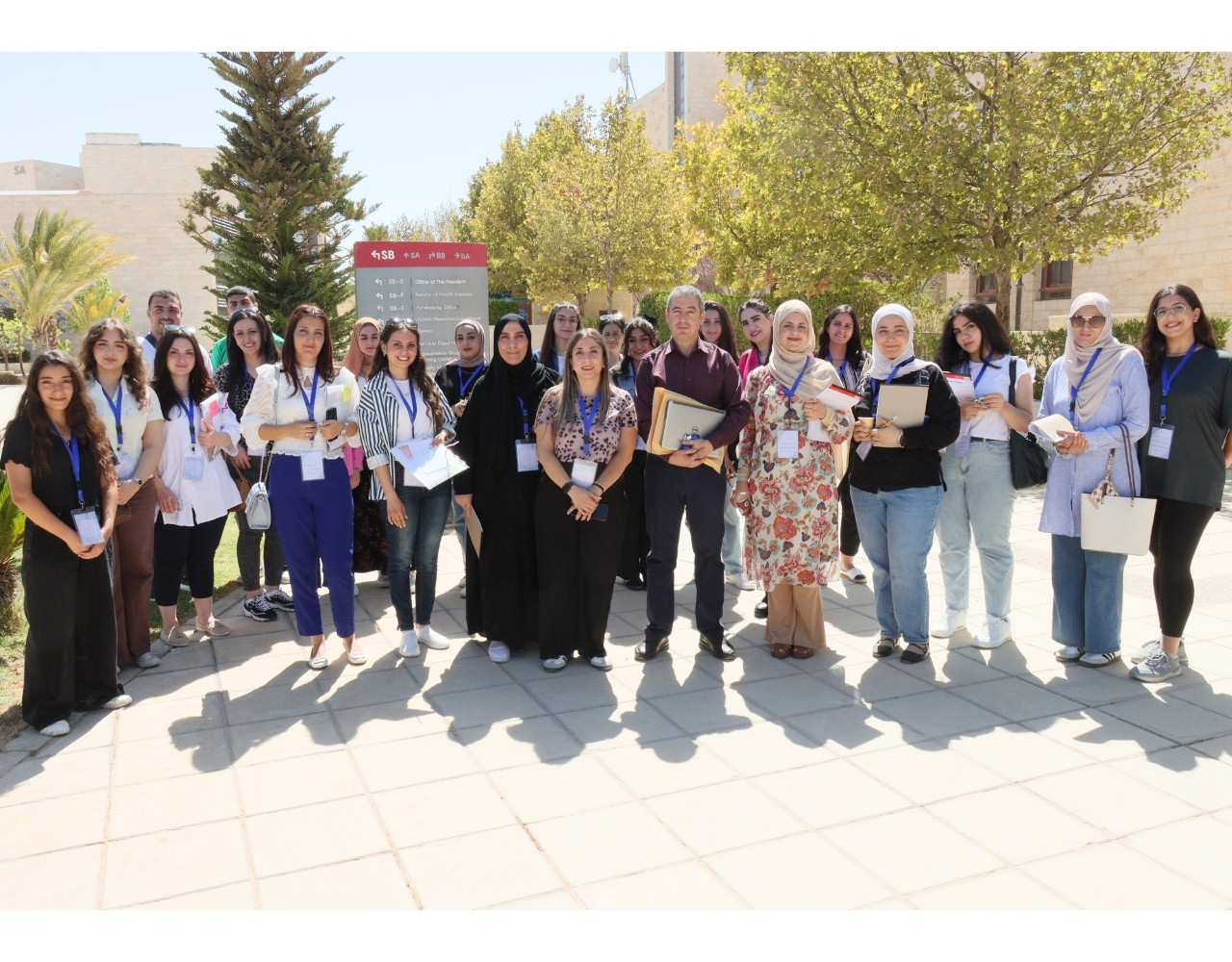
As part of the ongoing collaboration between the American University of Madaba and the General Secretariat of Christian Educational Institutions in Jordan, the second day of the teacher training programs continued to deliver impactful learning experiences.
It focused on promoting adaptability, innovation, and student well-being, with a particular emphasis on the integration of artificial intelligence (AI) in education. The sessions began with the screening of the educational film “Who Moved My Cheese?”, which symbolically illustrates the importance of change and renewal. Following the screening, participants engaged in a group discussion exploring the film’s key educational messages, with a focus on shifting from a fixed “rock mindset” to a flexible “tree mindset.” This exercise encouraged teachers to embrace mental flexibility and positive change in their professional practice.
Building on this conceptual foundation, teachers received hands-on training in AUM’s AI laboratories, where they learned to use digital and AI-based tools for lesson preparation, enriching classroom activities, and developing innovative assessment strategies tailored to the needs of students. In addition, the day concluded with an interactive workshop on student mental health, highlighting the importance of psychological well-being. Teachers were introduced to practical strategies for supporting students both inside and outside the classroom, helping learners manage stress and challenges in ways that positively influence their academic performance and everyday life.
Training activities throughout the day were conducted in small collaborative groups, where participants engaged in applied exercises, group presentations, and role-play simulations. This approach reinforced teamwork, enhanced communication skills, and deepened teachers’ understanding of the practical application of AI and student support strategies. The objective of the program was to strengthen teachers’ adaptability, equip them with practical skills for using AI in classrooms, and enable them to support the mental well-being of their students.
By the conclusion of the program, teachers were expected to demonstrate a transition from a fixed to a growth mindset, the ability to integrate AI tools into lesson planning and teaching, and the acquisition of practical strategies for supporting students’ psychological well-being. The program targeted new teachers at schools affiliated with the General Secretariat of Christian Educational Institutions in Jordan and was delivered by Dr. Hanan Madanat, Dean of the Faculty of Languages and Communication; Dr. Hamza Qudah, Assistant Professor of Data Science and Artificial Intelligence; and Ms. Mariam Sharkas, Psychologist at the Deanship of Student Affairs.